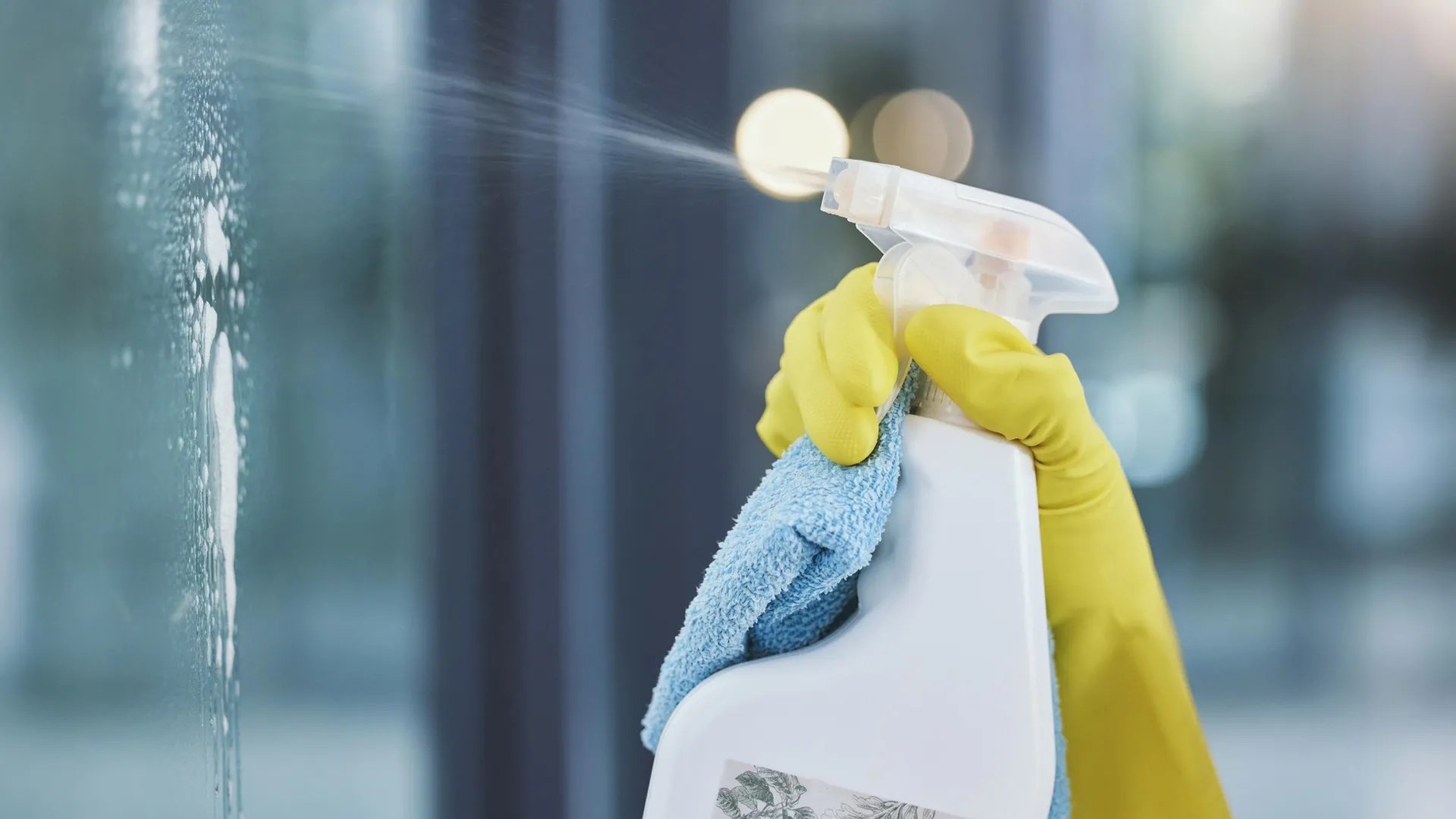
When scented cleaners release terpenes like limonene or pinene indoors, those compounds react with ambient ozone within minutes to produce ultrafine nanoparticles measuring 1 to 30 nanometers across. Research from Purdue University found that routine mopping or spraying with scented products generates billions to trillions of these particles. The total inhaled respiratory dose during a standard cleaning session can equal or exceed what someone would breathe standing next to a busy road.
The practical takeaway is straightforward: truly clean air does not smell like anything, and switching to unscented products or opening a window prevents the reaction. However, this study measured particle formation in a model house rather than tracking health outcomes in humans over time. While the particle counts are high, how these specific indoor organic nanoparticles compare in toxicity to combustion soot remains an open question.
more: https://www.sciencedaily.com/releases/2026/09/260925093152.htm


Leave a comment